Does Home Insurance Cover Leaks? Trace and Access Explained
Does home insurance cover a leak, and what is trace and access? What buildings policies usually pay for, what they leave out and what to check before you book.
Home insurance often covers damage caused by a sudden escape of water, and many buildings policies include trace and access, which pays to find a hidden leak and open the floor or wall to reach it. It usually does not cover repairing the worn pipe itself, and gradual leaks are often excluded. Cover, limits and excess differ between policies, so check your own wording and ring your insurer before booking work.
Key Takeaways
- Trace and access means finding a hidden leak and getting to the pipe. It is not the repair.
- Cover usually sits with buildings insurance, and limits and excess vary.
- Gradual leaks and wear and tear are often excluded. Sudden escapes are treated differently.
- Call your insurer first. Work done without approval may not be paid back.
- Keep photos, invoices and a written report. Do not assume anything is covered.
Home insurance often covers damage from a sudden leak, and many buildings policies include trace and access cover, which pays to find a hidden leak and open the floor or wall to reach it. It usually does not pay to repair the failed pipe, and slow, gradual leaks are often excluded. Policies differ, so check your policy and speak to your insurer before booking anything.
What is trace and access?
Trace and access has two parts. Trace is finding where the water is escaping, using moisture readings, listening gear, thermal imaging or pressure tests. Access is getting to the pipe, which can mean lifting a floor, cutting a tile or opening a wall. Put together, it is the cost of locating and reaching the leak. The repair itself and some reinstatement may sit outside it, depending on the policy.
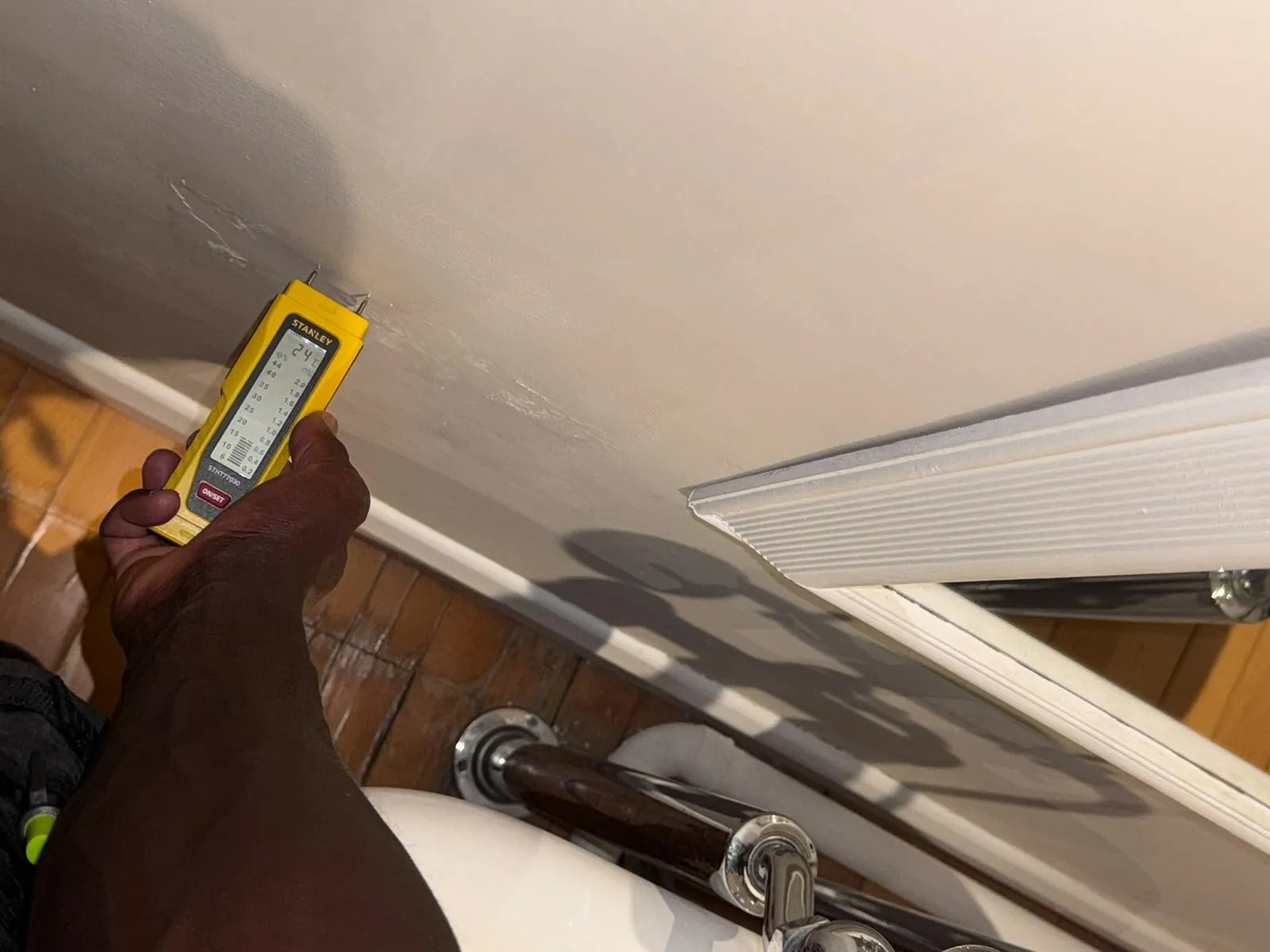
What home insurance may cover
- Locating a hidden leak that has caused insured damage.
- Opening up floors, walls or ceilings to reach it, and in some policies reinstating them.
- Damage to the building caused by a sudden escape of water, such as stained ceilings, wet plaster and floors.
- Damage to belongings under contents insurance, if you have it.
- Sometimes, alternative accommodation while the home dries out.
All of this is subject to the policy wording, the excess and the limits. Treat it as a list of things to ask about, not promises.
What is often not covered
- Repairing or replacing the worn or corroded pipe itself.
- Damage that built up gradually over weeks or months.
- Wear and tear, poor maintenance or a known fault you left.
- Leaks from a source outside the policy, such as an unoccupied home beyond the permitted period.
- Work done before your insurer agreed to it.
The Financial Ombudsman Service publishes guidance on how gradual damage complaints are handled, so it is a useful read if a claim is declined. Our own longer guide, leak detection and trace and access insurance, covers evidence and what to do if no leak is found.
How to approach a claim
Stop the damage
Close the stopcock if water is escaping. Make reasonable efforts to limit the damage. Insurers expect that.
Record it
Take dated photos and videos. Note meter readings, stains and what you saw.
Ring your insurer
Ask whether trace and access is included, the limit, the excess and whether they use an approved contractor.
Get the scope in writing
Ask for detection, access and repair to be quoted separately.
If it is a burst pipe, how to claim after a burst pipe sets out the steps. For a wider view, see does home insurance cover plumbing.
Flats, landlords and tenants
In a flat, buildings insurance is usually arranged by the freeholder or management company, so the policy may not be yours. Tenants should tell the landlord in writing and check who insures what. Leaseholders should check the lease and the building insurance. We cannot give legal advice, so ask the insurer or a qualified adviser if responsibility is disputed.
What it costs
If your insurer does not cover a survey, or you decide to go ahead privately, our leak detection prices are fixed. Main water leak detection is a fixed £595. A comprehensive investigation is £660: it checks the whole property for all types of leaks, excluding roofs, and includes tracer gas, moisture mapping and pressure testing. Detection by the hour is £180 per hour with the tracer gas bottle included. No find, no fee. No call-out fee when you book the visit in advance. Need someone now? Emergency call-out is £70 and we guarantee someone is with you within one hour. For typical market figures, see how much leak detection costs in the UK.
- No call-out fee when you book the visit in advance.
- Need someone now? Emergency call-out is £70 and we guarantee someone is with you within one hour.
- No find, no fee on leak detection.
- Main water leak detection: fixed price £595.
- Comprehensive leak detection investigation: £660. It checks the whole property for all types of leaks, excluding roofs, and is all-inclusive: tracer gas, moisture mapping, pressure testing and so on.
- Leak detection by the hour: £180 per hour, tracer gas bottle included.
- Plumbing repair work (not detection) is £95 per hour, and the £60 call-out is waived over 2 hours.
- You get a written price before any repair work starts.
- Gas work is done by Gas Safe registered engineers.
- We answer 24/7 on 020 7870 3200.
When to call a plumber
Call us if water is still escaping, if you need a leak located, or if you need a written report to send to your insurer. Phone 020 7870 3200 any time, or use the contact page. Ring your insurer in parallel so nothing is done that they have not approved.
Unsure what to say to your insurer?
Describe the symptoms and tell us what the policy says. We will explain what a survey would involve. No find, no fee on leak detection.
Call 020 7870 3200Or send us the details, see pricing or read about our leak detection service.
Frequently Asked Questions
What is trace and access cover?
It is a section of many buildings insurance policies that pays for locating a leaking pipe and opening up and reinstating the area to reach it. It usually does not pay to repair the pipe itself. The scope depends on your wording.
Does home insurance cover a burst pipe?
Many policies cover damage from a sudden escape of water, subject to the excess and conditions. Check your wording, report it quickly and keep evidence.
Is a slow leak covered by insurance?
Often not. Policies commonly exclude damage that happens gradually over time. How your insurer treats it depends on the facts and the policy, so ask them directly.
Does contents insurance cover leaks?
Contents insurance may cover your belongings if they are damaged by an insured escape of water. Trace and access is normally part of buildings insurance, so check which policy applies.
Should I book a leak detection company before ringing my insurer?
Ring your insurer first. They may have an approved process or ask for a particular route. Booking first can leave you paying for something they would have covered or refused.
Sources and further reading
Source links checked 3 November 2026. Scheme rules and manufacturer instructions can change; use the current official guidance for your account or exact appliance.